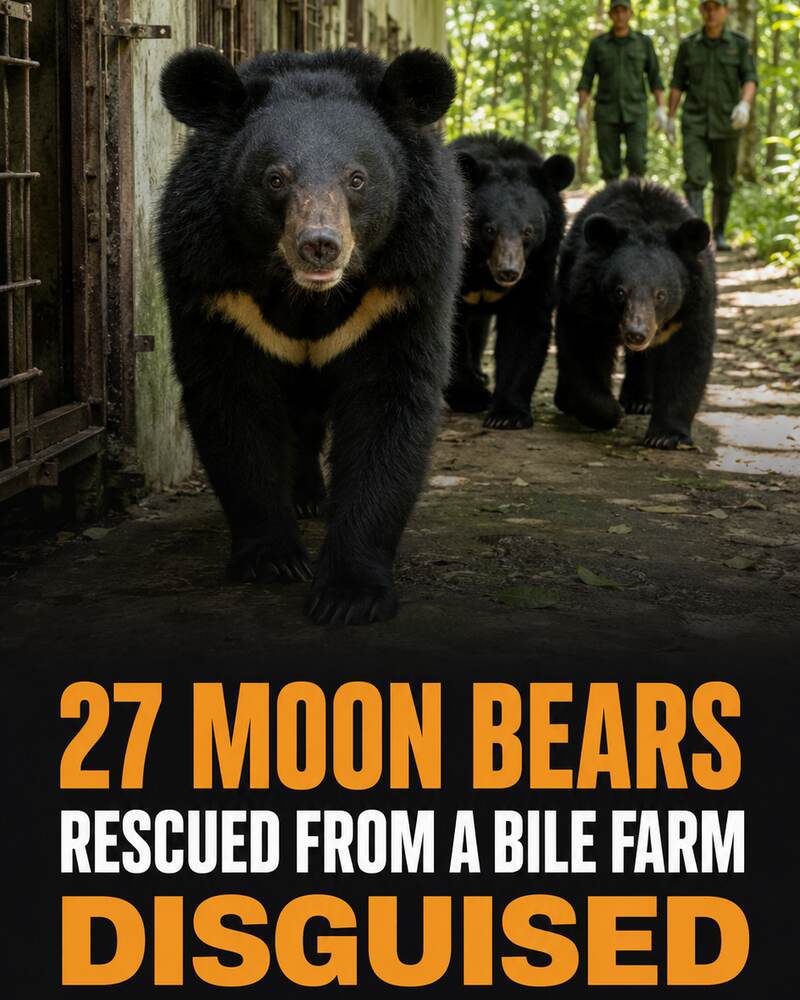
Twenty-seven endangered moon bears have been rescued from an illegal bear bile farm in Laos that was operating under the guise of a zoo, according to conservation group Free the Bears.
The young Asiatic black bears, estimated to be between one and three years old, were found confined in small metal cages inside a hot concrete building. Lao authorities closed the foreign-owned facility in cooperation with Free the Bears and transferred all 27 animals to the group’s Luang Prabang Wildlife Sanctuary.
Free the Bears describes the operation as the largest bear-farm rescue ever carried out in Southeast Asia. Rescuers also found infrastructure capable of eventually holding as many as 200 bears, suggesting the illegal operation was preparing to expand on a far greater scale.
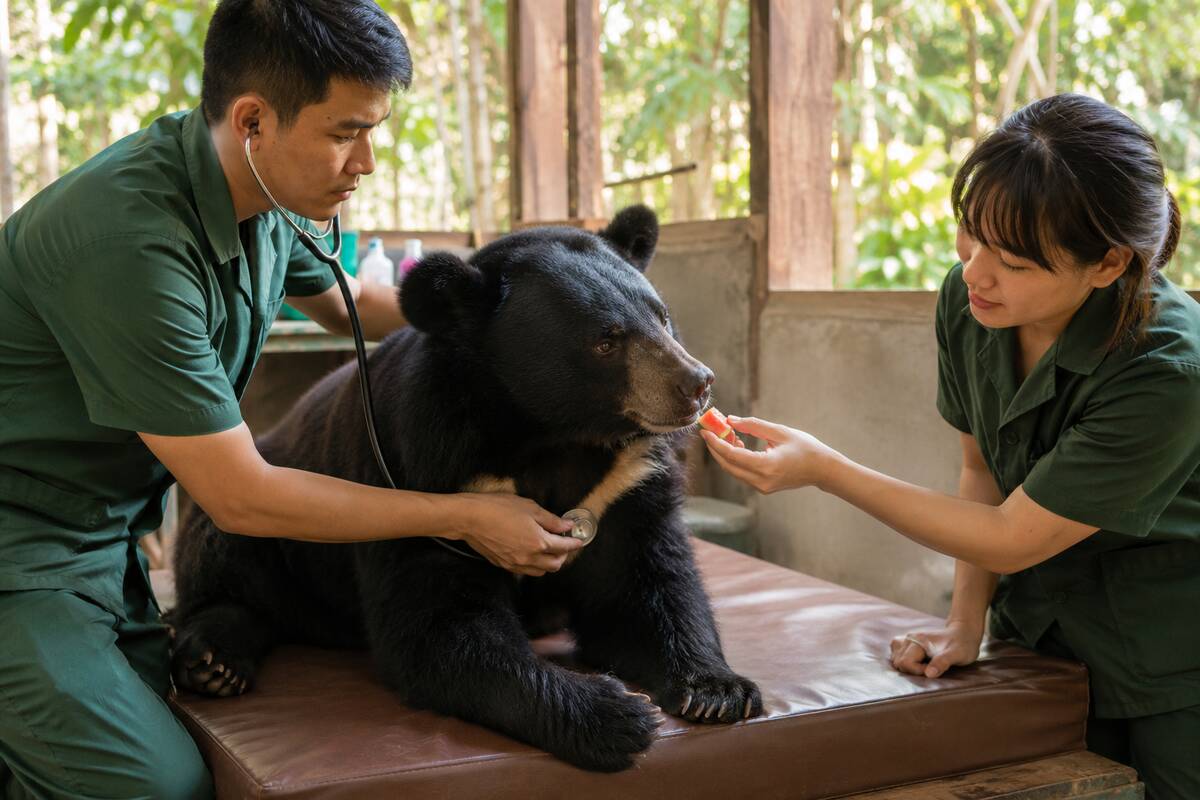
A rescue from cages built for bile extraction
Bear bile is a digestive fluid produced by the liver and stored in the gallbladder. It has historically been used in some traditional remedies, despite the availability of synthetic and plant-based alternatives. On bile farms, the substance may be repeatedly extracted from living bears, causing severe welfare concerns and exposing animals to pain, infection and long-term illness.
Free the Bears says the 27 animals were kept in cages built for bile extraction and were given water only once a day. The organization reports that many were suffering from malnutrition, physical injuries and psychological trauma after spending their formative years in confinement.
The bears are believed to have been taken illegally from the wild as cubs. Free the Bears says their mothers were likely killed during their capture, but the history of each individual animal is not known. Claims that every bear witnessed its mother being killed go beyond the available evidence.
The rescue was completed in May 2026 after Lao officials ordered the facility closed and gave the team a short window to move the animals. The operation required transferring the bears into transport crates and completing a long journey to Luang Prabang, where they entered quarantine and began receiving veterinary assessment and specialized care.
Ten bears have now stepped into the forest
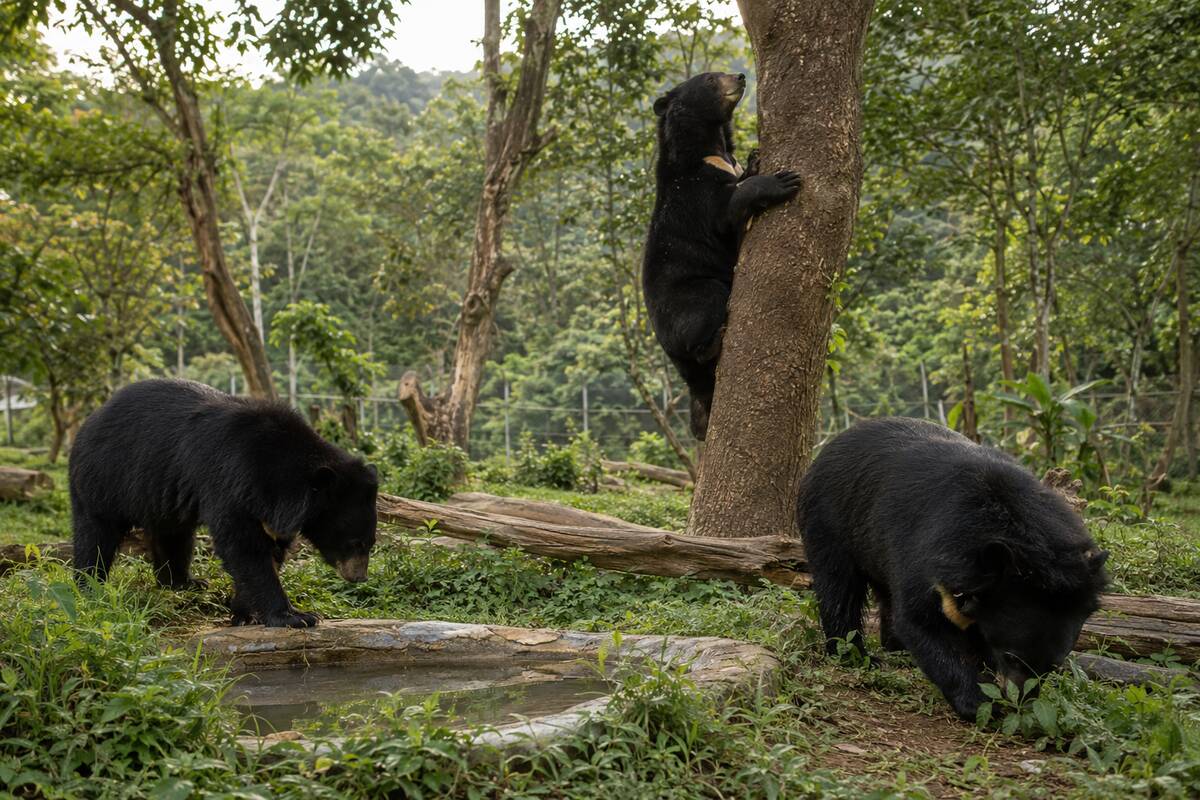
In an August update, Free the Bears said ten of the rescued animals had completed quarantine and moved into forest habitat at the sanctuary. For the first time since being taken from the wild, they were able to feel grass, forage freely and climb trees.
The remaining bears were still in quarantine while the sanctuary worked to construct additional bear houses and forested enclosures. Rehabilitation is necessarily gradual: animals that have lived in highly restricted conditions may need time to learn how to regulate their food and water intake, interact with other bears and explore unfamiliar natural spaces.
Rescue is only the beginning
Because the bears missed critical years of learning from their mothers and have endured prolonged confinement, Free the Bears says they cannot safely return to the wild. Instead, they will require lifelong sanctuary care that could continue for more than 30 years.
The organization estimates that it needs approximately $300,000 to expand the Luang Prabang sanctuary by acquiring land, building new forest enclosures, increasing staffing and improving resources. It also estimates that food, enrichment and veterinary treatment can cost more than $150,000 for each bear over its lifetime.
Laos strengthened its wildlife laws in 2023, making the commercial exploitation of moon bears illegal. Yet the discovery of a bile farm concealed behind a zoo designation shows how illegal wildlife businesses can exploit regulatory and enforcement gaps.
The closure prevented 27 bears from spending the rest of their lives in extraction cages and may also have stopped a much larger operation before it reached its planned capacity. Their rescue is a major enforcement success—but providing them with healthy, enriched lives will remain a decades-long commitment.
Sources
- Free the Bears: 27 moon bears rescued from illegal bile farm
- Free the Bears rehabilitation update
- Mongabay: Laos moon-bear rescue
- People: lifelong care and sanctuary expansion