
The cuckoo bird stands out as one of nature’s most intriguing species, captivating bird watchers and nature enthusiasts with its striking features and mysterious behavior. Known for its distinct appearance and unusual breeding strategies, the cuckoo’s world is one of deception and survival.
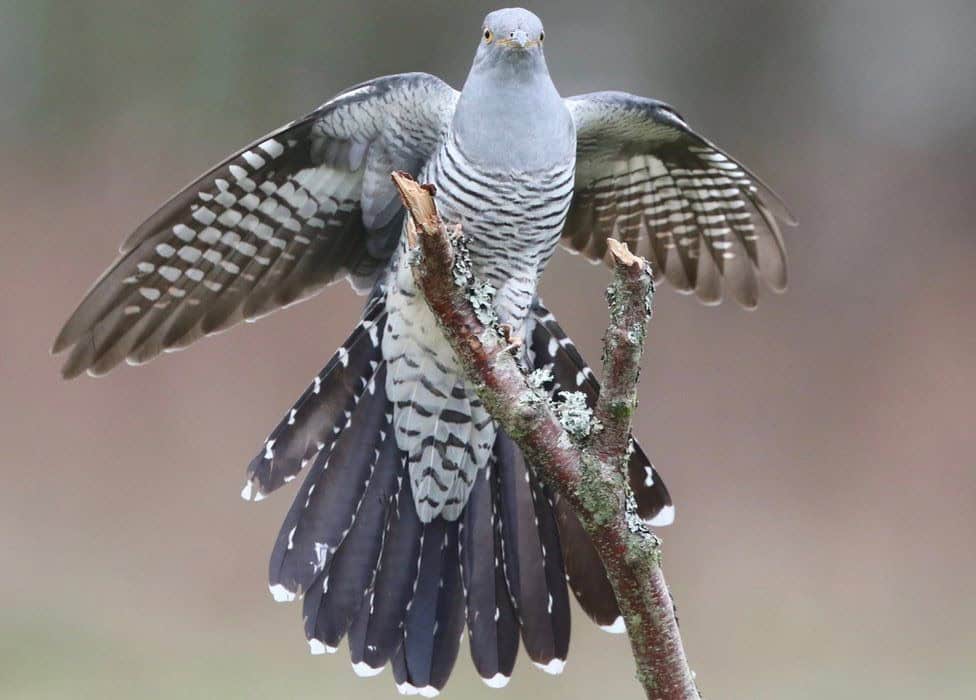
Cuckoos have a distinctive flight pattern that often confuses those observing them from a distance. Their long, pointed wings and streamlined tails create a sleek silhouette, often making them resemble hawks as they glide through the sky.
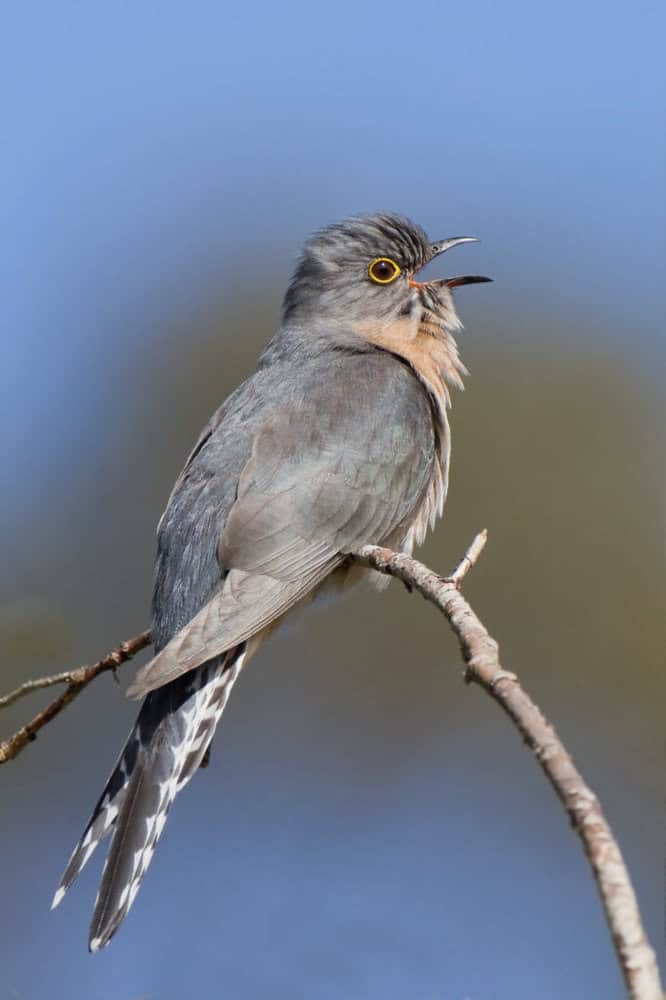
Yet, catching a glimpse of a cuckoo while perched can be quite difficult. These birds tend to stay hidden due to their shy and cautious nature, making them elusive to the casual observer.
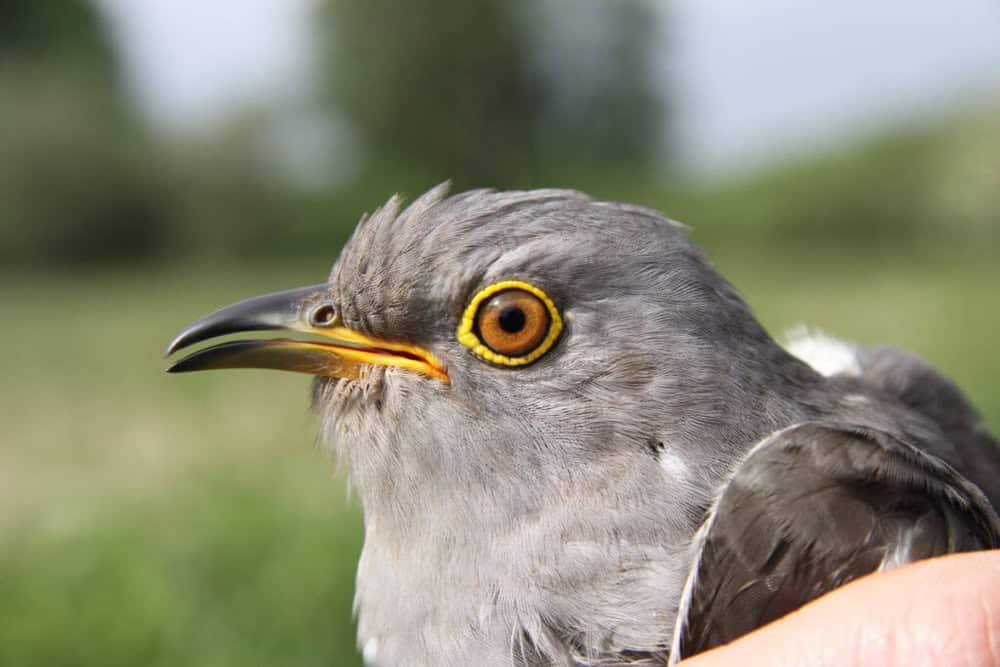
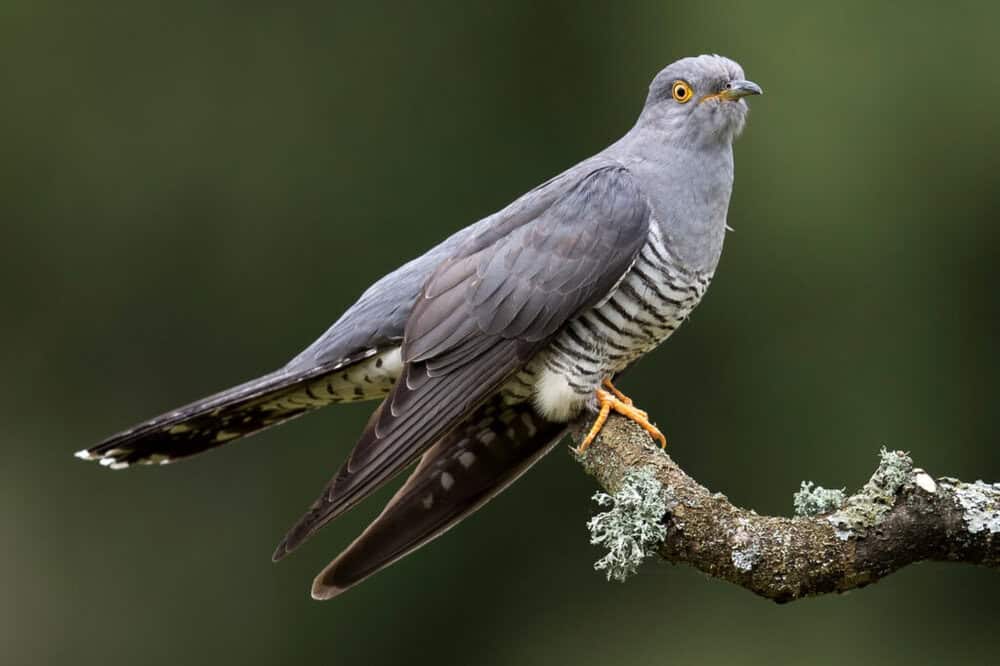
Adult cuckoos are visually striking with their slate-grey plumage and barred black and white underparts. Their slim, slightly curved dark bill, yellow-ringed eyes, and legs give them a unique and recognizable look in the bird world.
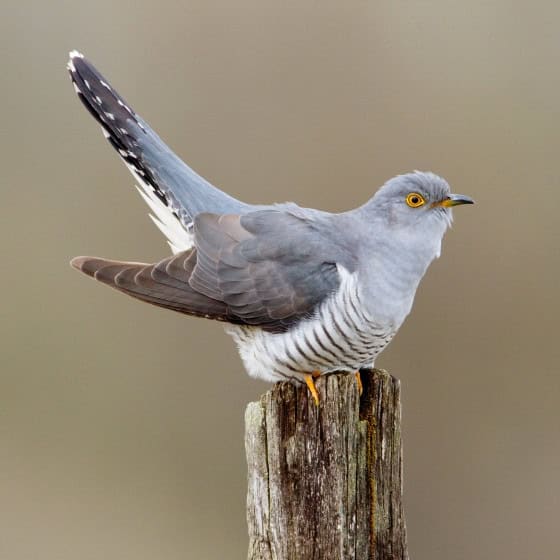
One of the cuckoo’s most famous traits is its distinct song. The male’s iconic two-note “cu-coo” call is familiar to many and is often repeated quickly.
Though less vocal, females produce a rapid, chuckling sound that sets them apart. These calls help them stand out and contribute to their mysterious aura.
The cuckoo’s diet is another unique aspect of its behavior. These birds primarily feed on hairy caterpillars, which many other bird species avoid.
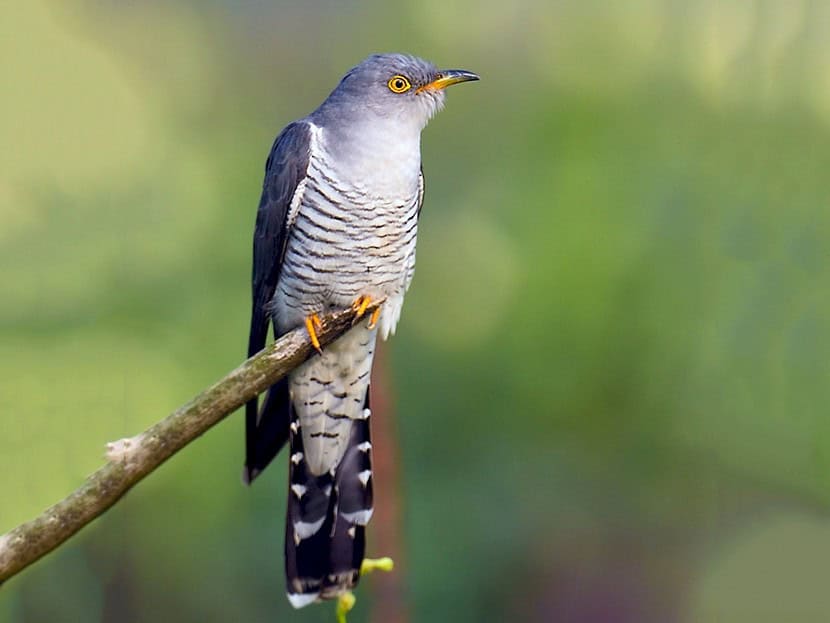
Their diet also includes a variety of other invertebrates, eggs, and even the young of other birds. This specific feeding strategy helps reduce competition with other insect-eating birds.
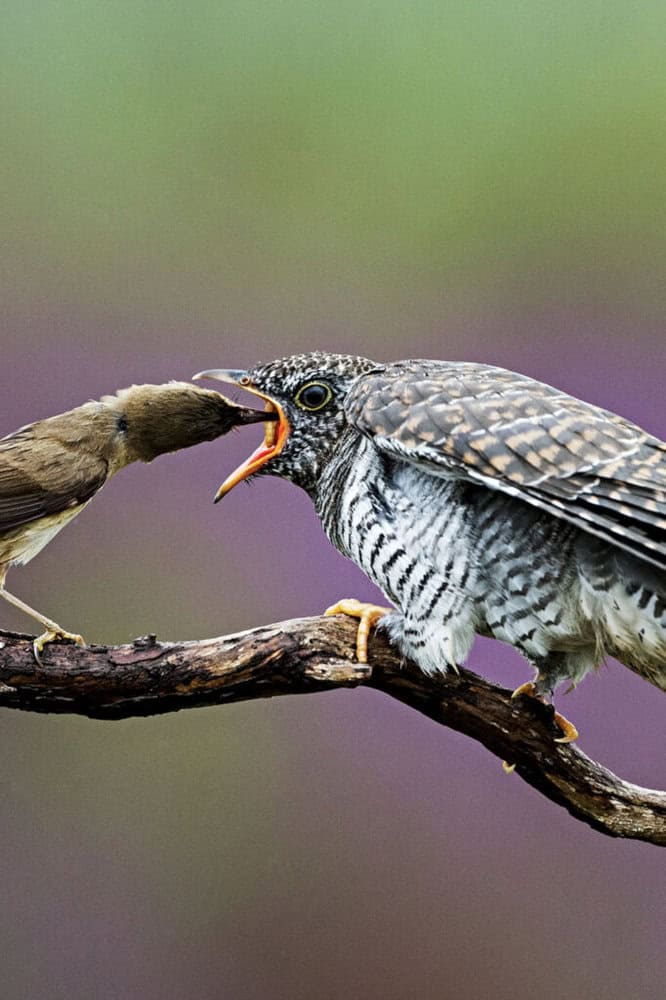
One of the most fascinating aspects of the cuckoo’s life is its breeding strategy. Female cuckoos lay their eggs in the nests of other birds, leaving the unsuspecting host to raise the chicks.
By doing so, cuckoos avoid the labor of building nests or caring for their young, focusing instead on their survival. While cuckoos are globally listed as a species of “Least Concern,” they face significant challenges in certain regions.
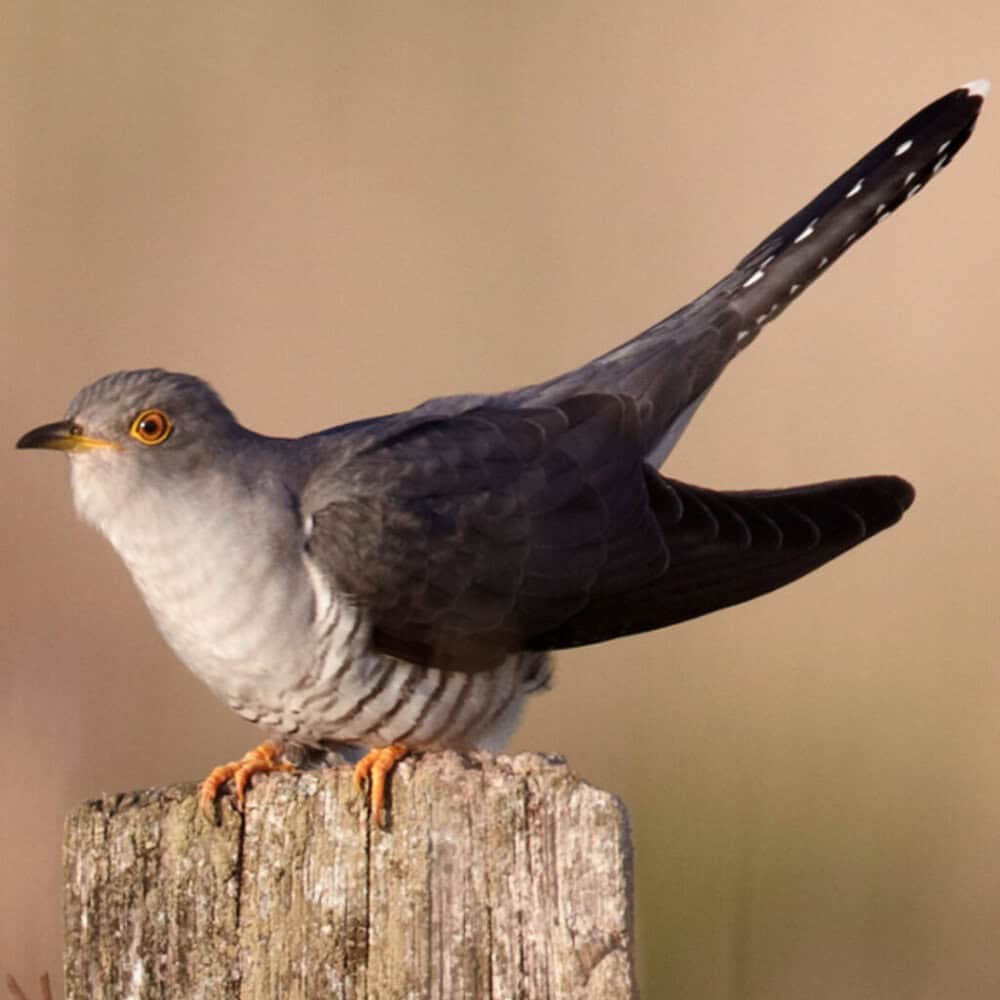
In the United Kingdom, habitat loss and environmental changes have sharply declined in number. Today, fewer than 20,000 breeding pairs visit the UK each year, placing them on the red list for conservation.
Adding to their mystique, cuckoos use camouflage and mimicry to blend into their surroundings. Their resemblance to birds of prey serves as a clever defense mechanism, deterring potential predators and allowing them to continue their secretive lifestyle.
The cuckoo bird is a master of deception—whether through its breeding habits or its ability to stay hidden. Its unique traits, from its calls to its specialized diet, showcase the complex and fascinating adaptations that help it thrive in the wild.
Read More Birds