
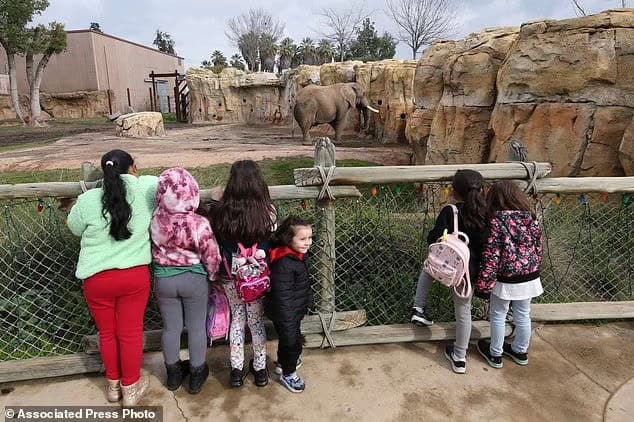
Fresno, Calif. (AP) – Mabu, a 32-year-old African elephant, roams the grassy fields of Fresno Chaffee Zoo, captivating visitors like a young girl sitting on her father’s shoulders.
As the zoo’s star attraction, Mabu plays a key role in ensuring future generations of visitors can continue to see elephants in zoos. This possibility has sparked a global debate.
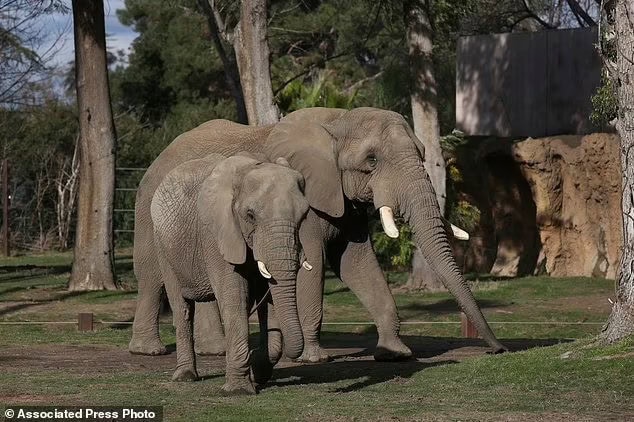
Over the past year, Fresno Chaffee Zoo has found itself in the middle of this ongoing debate, with animal rights activists arguing that zoos don’t meet the complex needs of elephants, while some zoos, like Fresno’s, are committed to keeping them.
The zoo believes breeding programs will help maintain a sustainable elephant population, encouraging future visitors to support wildlife conservation efforts.
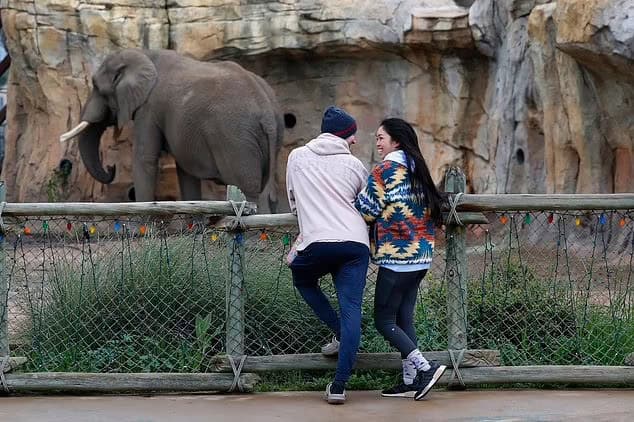
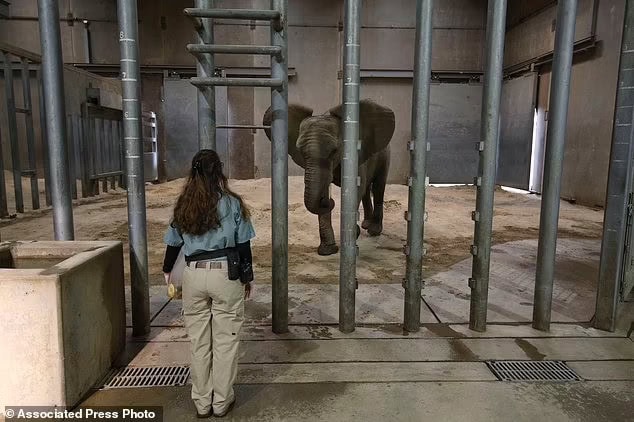
However, the zoo has also faced criticism for its elephant living conditions. Some experts believe urban zoos lack the space required for African elephants, which typically travel long distances in the wild to forage.
Fresno Chaffee Zoo revamped its African Adventure exhibit in 2015 to provide more space for its elephants, lions, and gazelles. It has also partnered with other U.S. zoos to breed endangered elephants.
Mabu arrived from an Arizona zoo last year after another male, Vus’Musi, showed little interest in breeding. Given Mabu’s successful breeding history, the zoo hopes he can increase its elephant population.
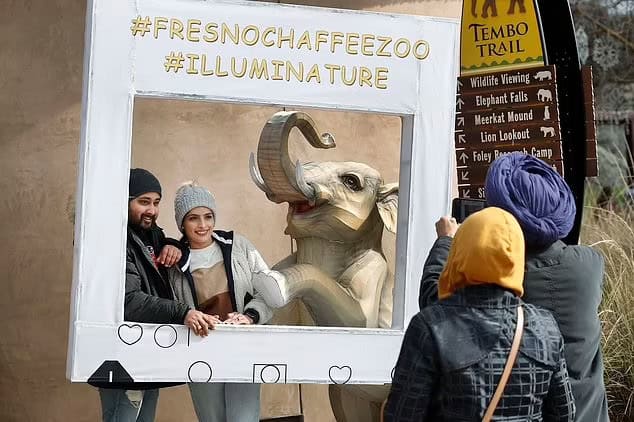
Jon Forrest Dohlin, the zoo’s CEO, emphasized that animals like elephants, which he likened to pop stars in terms of visitor appeal, play a vital role in promoting conservation. He argues that seeing animals in person encourages support for broader conservation efforts.
While some major zoos, like those in Toronto and San Francisco, have ended their elephant programs, sending their animals to spacious sanctuaries, other facilities continue breeding efforts. The Los Angeles Zoo is also considering relocating its elephant to a sanctuary.
Legal challenges from animal rights activists have further complicated the issue. Groups like the Nonhuman Rights Project have sued to release elephants, including Fresno’s, from zoos. Despite legal setbacks, the organization continues its efforts and now targets Mabu.
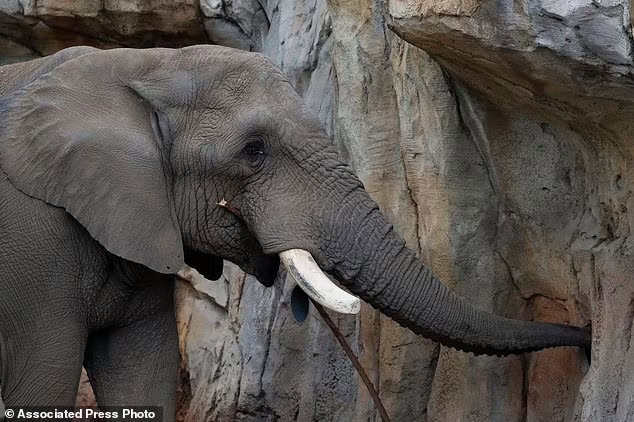
Elephant advocates argue that keeping elephants in captivity is unjust, pointing to their social complexity and intelligence.
Joyce Poole, co-founder of Elephant Voices, argues that in the wild, elephants make choices about their daily lives—decisions that captivity denies them.
For decades, elephants have been a staple of U.S. zoos. Still, the transfer of African elephants has declined amid rising concerns over their wild populations, which have plummeted due to poaching and habitat loss.
In 2021, the International Union for Conservation of Nature reclassified African elephants as endangered.
New U.S. regulations for elephant imports are also being drafted to protect the species further.
With fewer transfers, the future of elephants in zoos now relies heavily on breeding. The Association of Zoos and Aquariums has launched a species survival plan, which currently supports about 160 African elephants in U.S. zoos.
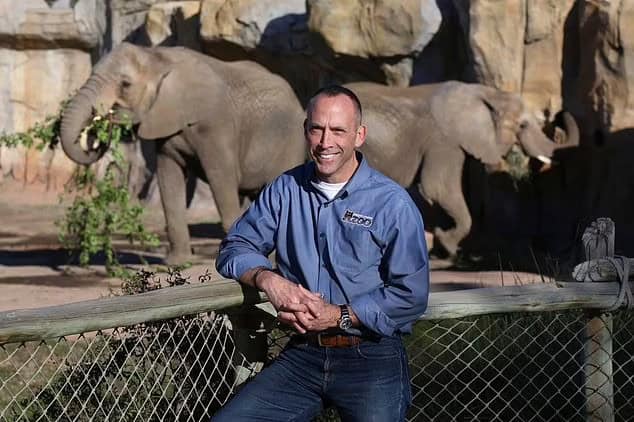
The plan’s coordinator David Hagan, expressed cautious optimism about sustaining the population through breeding efforts.
At Fresno Chaffee Zoo, Mabu continues to draw in visitors, delighting them with his intellect and playful demeanor. Seeing Mabu up close is an emotional experience for some visitors, like Joe Foster.
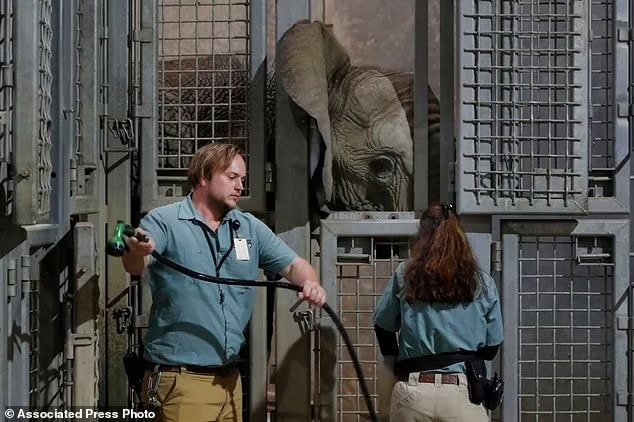
Meanwhile, the zoo’s female elephants, Nolwazi and her daughter Amahle engage in daily care routines with zookeepers, receiving treats in exchange for their cooperation.
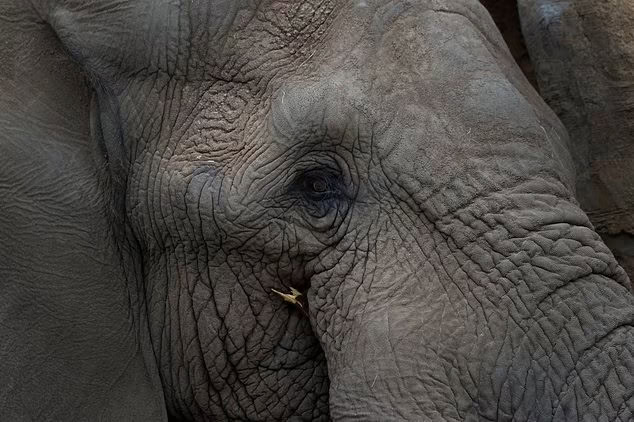
Some zoos have chosen to send their elephants to sanctuaries, like the Performing Animal Welfare Society, located north of Fresno.
Ed Stewart, the sanctuary’s co-founder, acknowledges that while providing more space is better for elephants, he hopes that one-day sanctuaries will no longer be necessary.
“At some point, we’re going to realize we used to keep wild animals in cages and question why we ever did,” Stewart said.
Read more Elephant News.


