
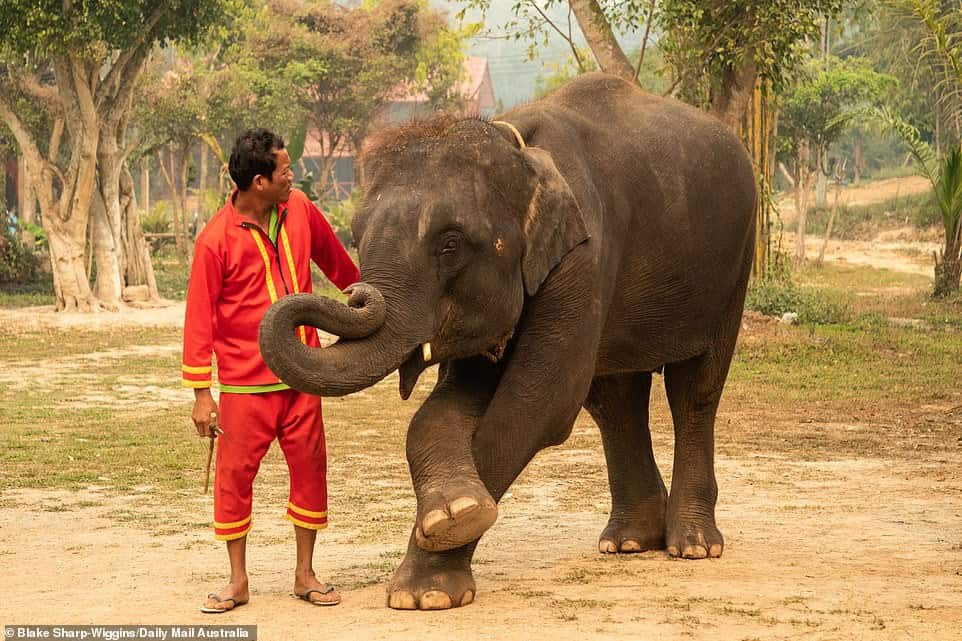
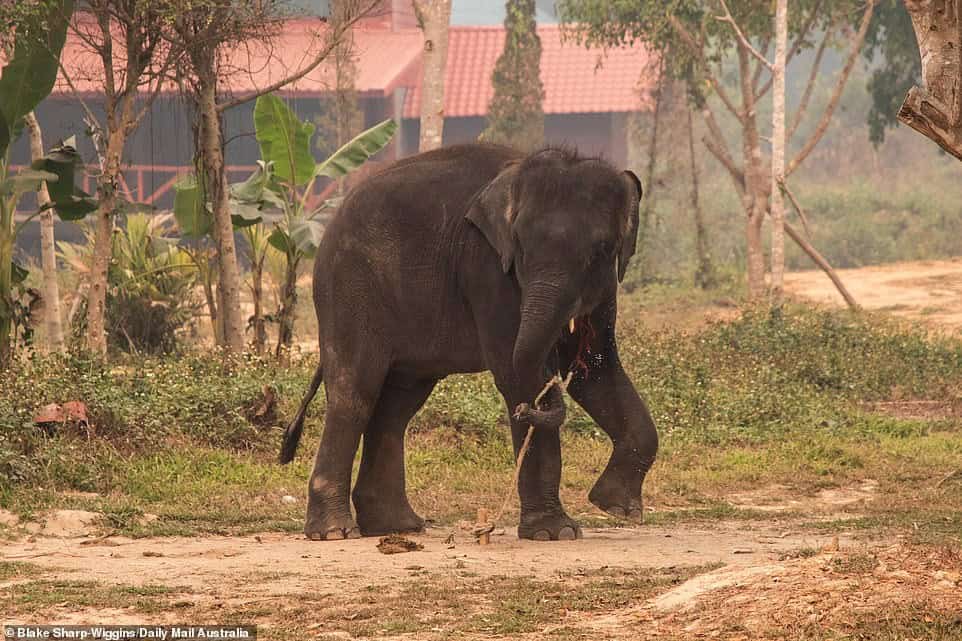
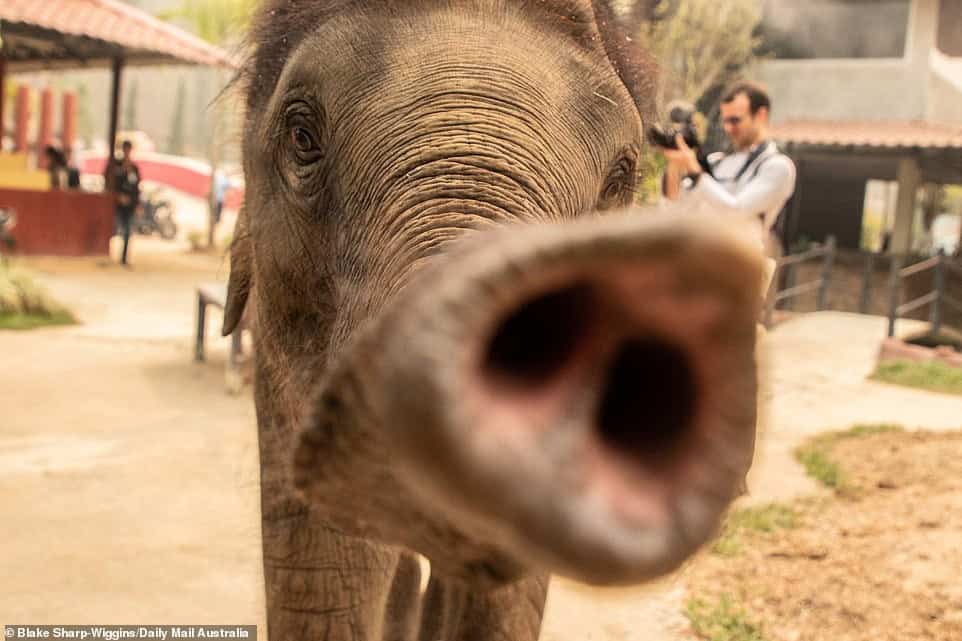
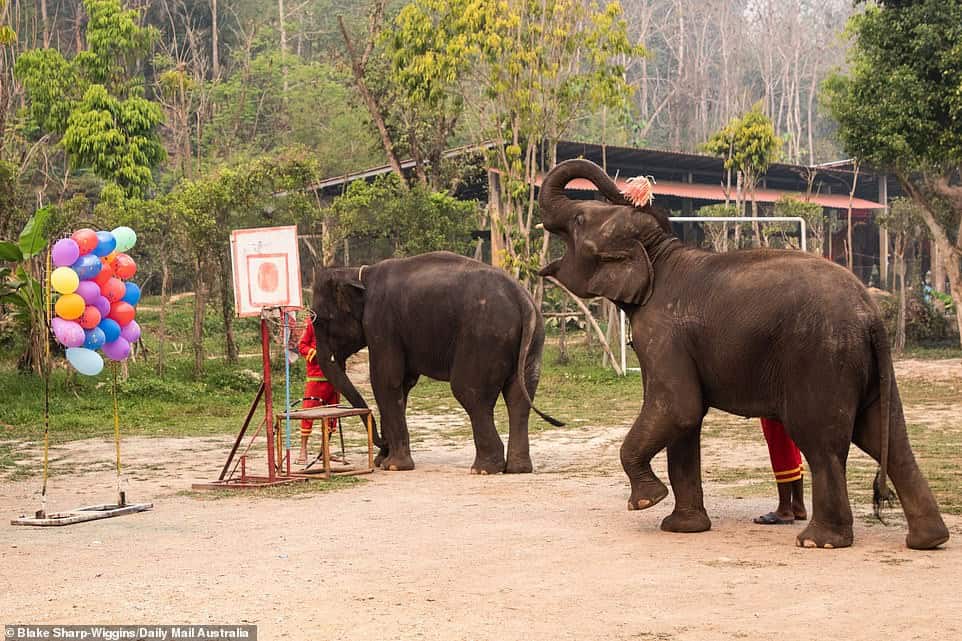
A baby elephant roams in a bustling tourist park just south of Chiang Mai, surrounded by crowds of onlookers.
The dry season has pushed temperatures beyond 35°C, and the parched, unshaded area offers no relief.
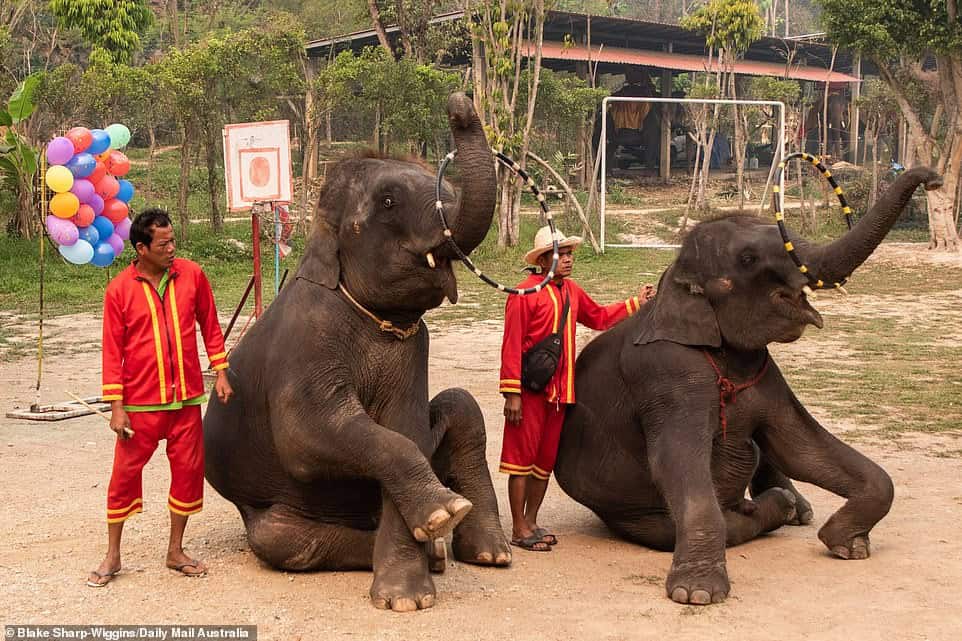
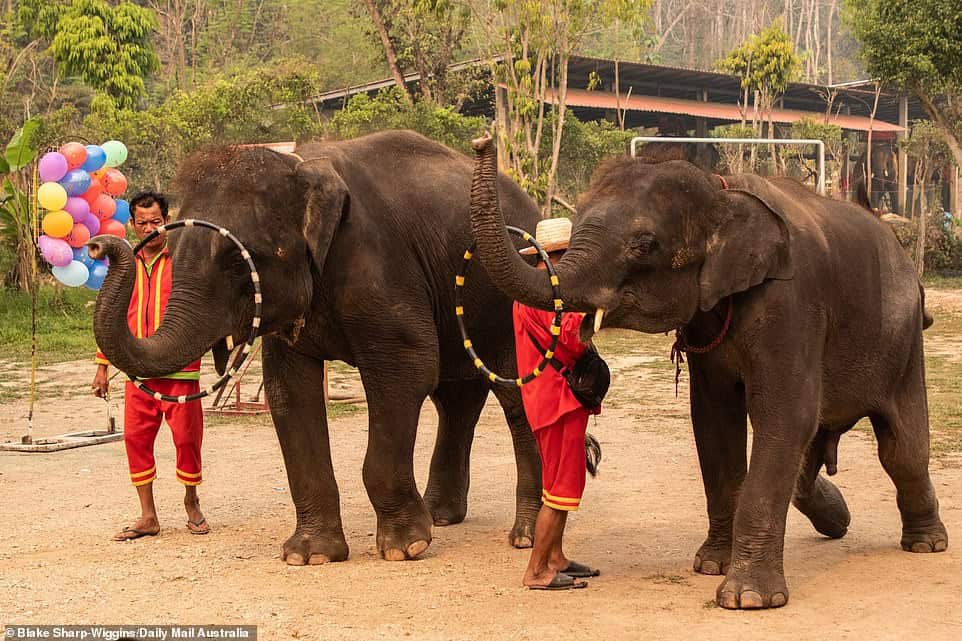
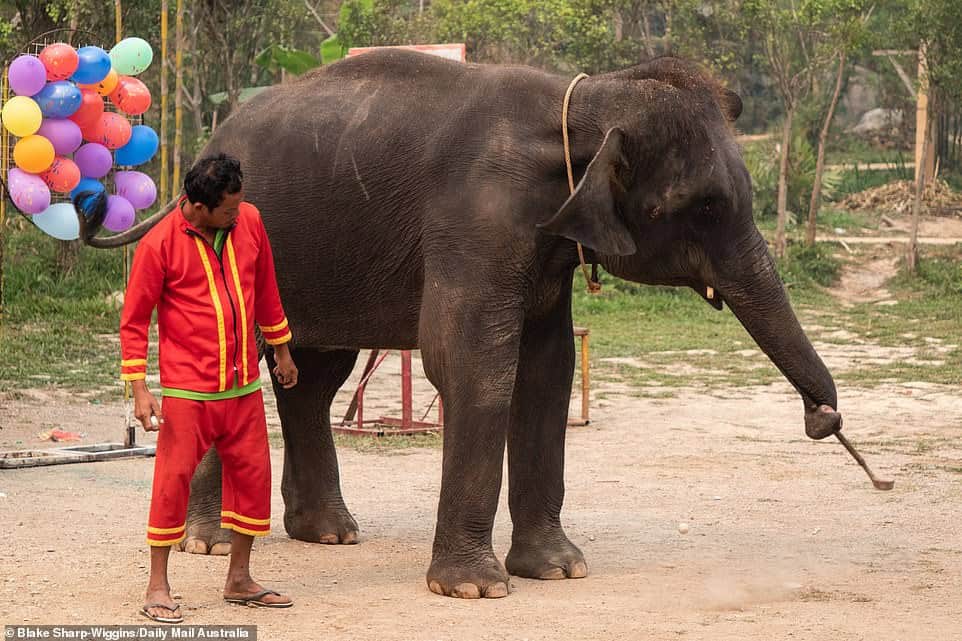
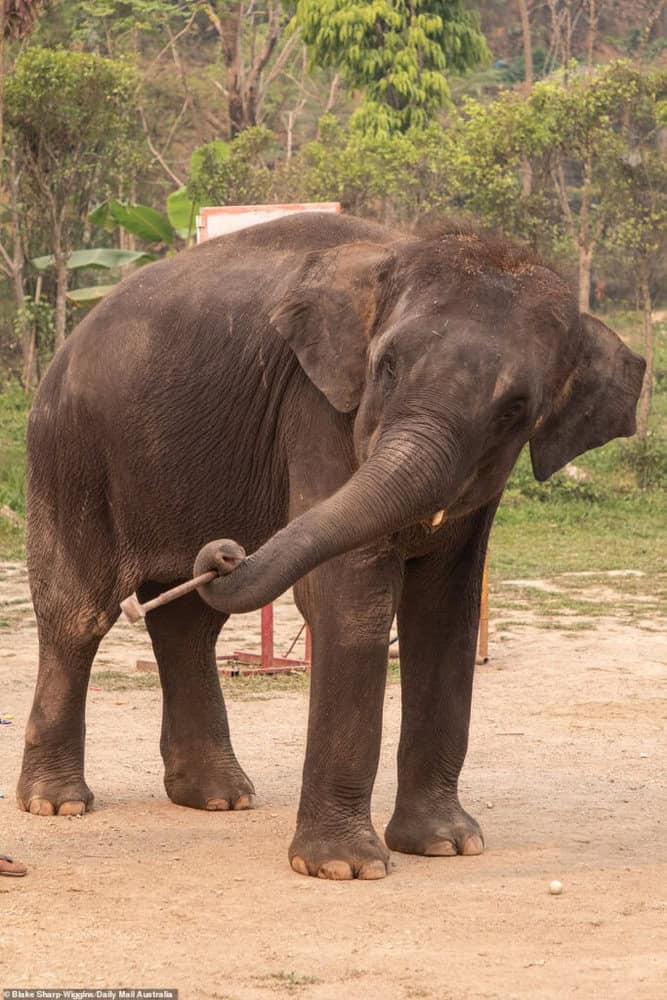
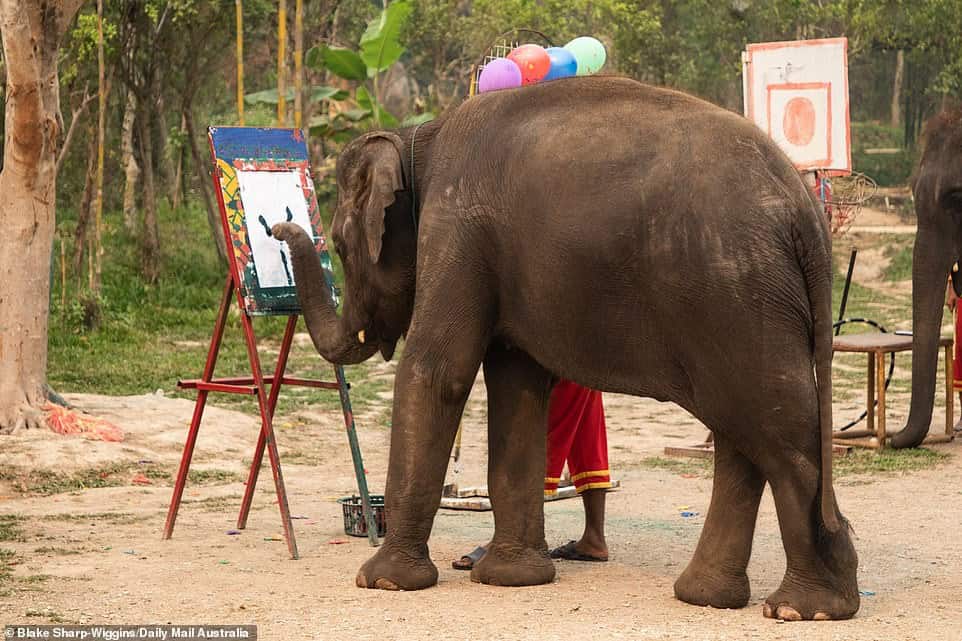
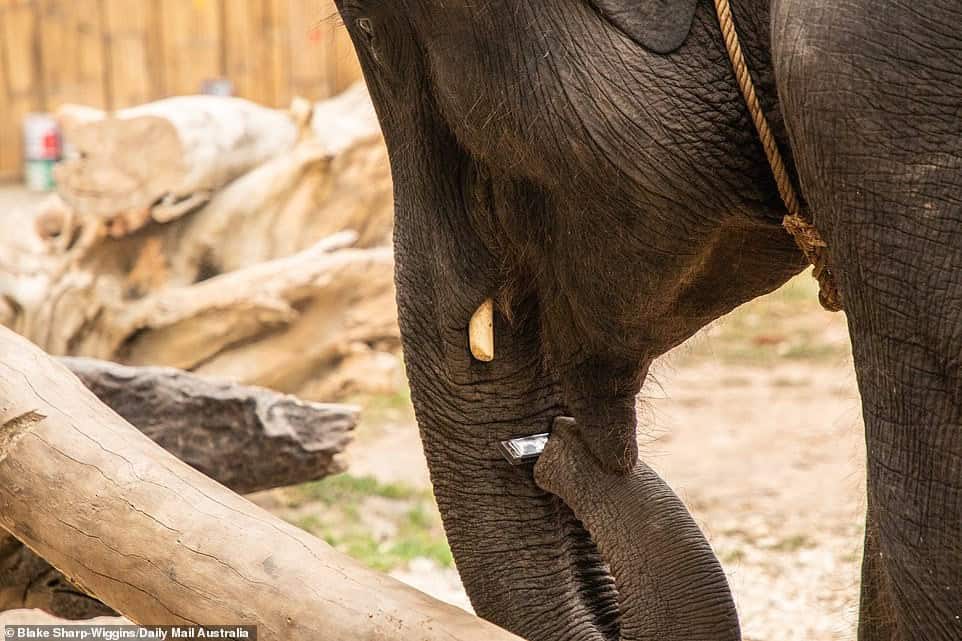
Loud music blares as one adult elephant is forced to play the harmonica while another, restrained by heavy chains, uses its trunk to throw darts at balloons.
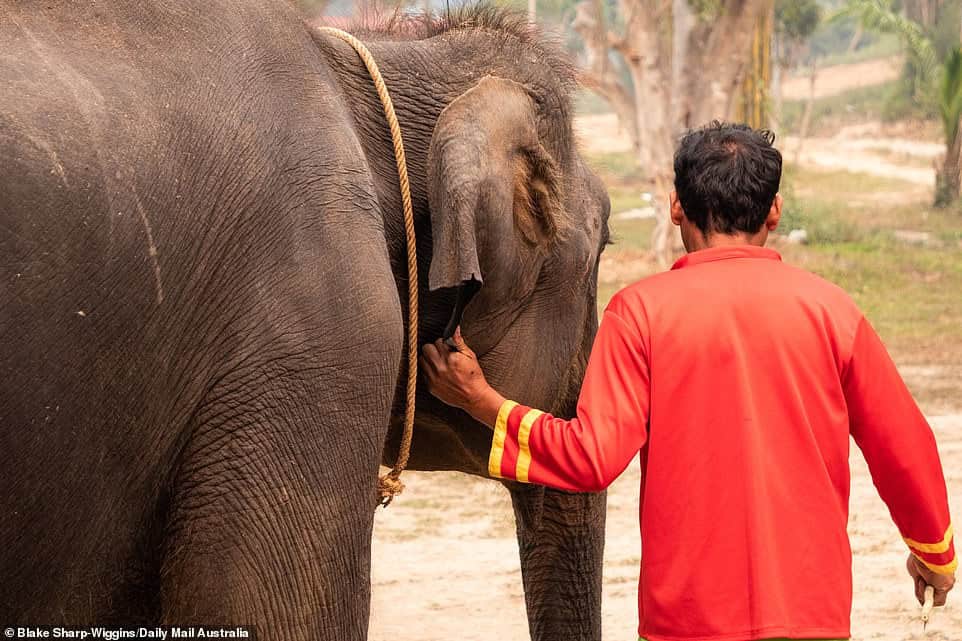
Nearby, the elephants’ handlers, known as ‘mahouts,’ remain close by, brandishing bull hooks—sharp tools used to jab the elephants behind their ears, leaving hidden wounds.
The scene is hard to witness for anyone familiar with places like Elephant Valley Thailand, a sanctuary dedicated to rehabilitating elephants once exploited in the tourism industry.
“There is no such thing as a domesticated elephant,” explains Jack Highwood, the sanctuary’s founder. “Only elephants have lost their will to fight back.”
In northern Thailand, elephants were historically employed in the logging industry, hauling teak for timber.
But with the advent of machinery that could replace them, locals turned their elephants into tourist attractions.
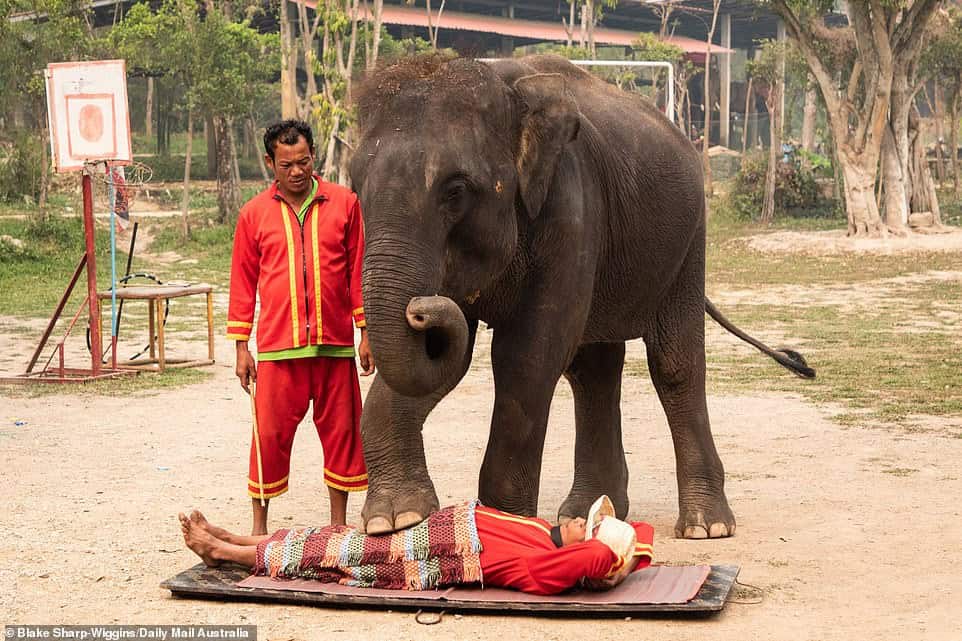
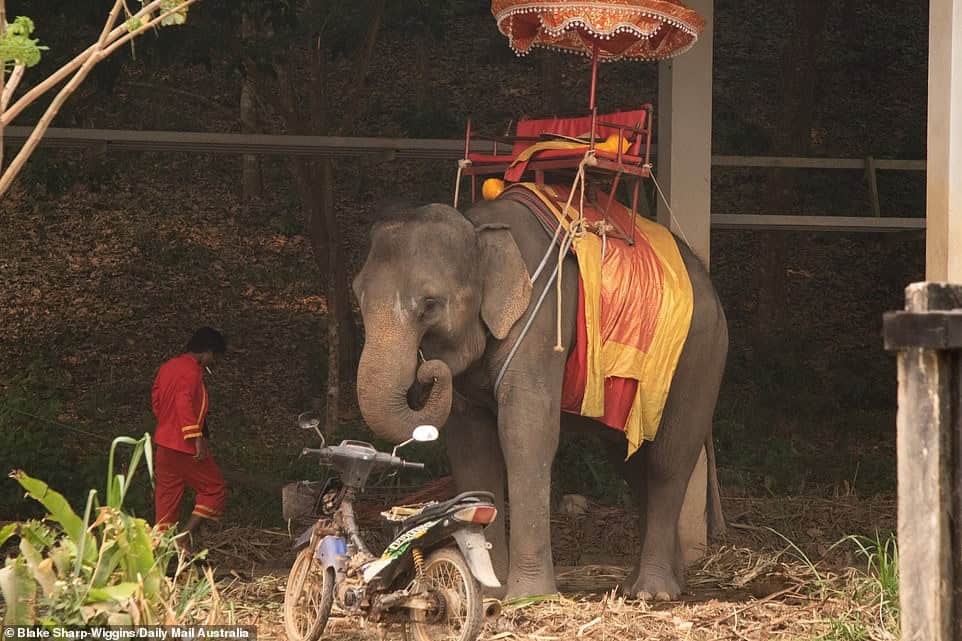
Today, Thailand attracts nearly 13 million tourists yearly who ride, bathe, and take photos with elephants.
The process of ‘domesticating’ these animals, known as “crushing,” is as brutal as it sounds. Elephants are tethered with short chains, beaten with sharp tools like bullhooks, and deprived of adequate food to break their spirit. This abuse continues throughout their lives in captivity.
One rescued elephant, Karmoon, spent five years chained by the side of a road. Busloads of tourists would stop up to ten times daily, paying to wash her. To make her compliant, Karmoon was often beaten and starved.
She developed a behavior common in captive elephants—repetitive head swaying, often mistaken for playfulness.
In reality, this head movement causes the elephant’s brain to hit against its skull, releasing dopamine to cope with the stress.
As tourists become more aware of the cruelty behind these attractions, there is hope that new sanctuaries will rise and provide these majestic creatures with the care and freedom they deserve.
Read more Elephant News.


